
Benefits of Digital Marketing: Boost Your Business in 2025
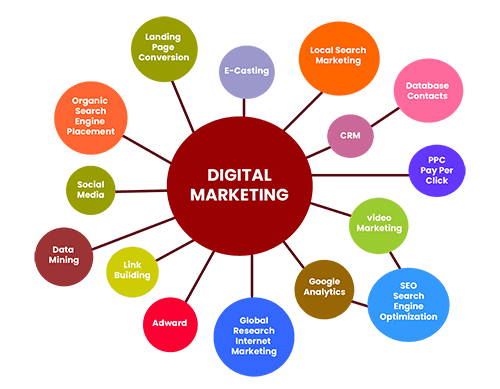
Digital marketing has become an essential tool for businesses of all sizes. The benefits of digital marketing are immense, ranging from increasing brand awareness to driving sales and improving customer engagement. In today’s fast-paced world, companies that ignore digital marketing risk losing out on potential customers. Whether you are a small business owner or managing a large enterprise, understanding the benefits of digital marketing can help you make informed decisions and achieve better results.
What is Digital Marketing?
Digital marketing refers to the use of online channels to promote products and services. It includes strategies like search engine optimization (SEO), social media marketing, email marketing, content marketing, and paid advertising. Unlike traditional marketing, digital marketing allows businesses to reach a global audience, measure performance in real-time, and target specific customer segments with precision.
Key Components of Digital Marketing:
-
SEO (Search Engine Optimization): Optimizing your website to rank higher on search engines.
-
Social Media Marketing: Promoting your brand on platforms like Facebook, Instagram, LinkedIn, and Twitter.
-
Content Marketing: Creating valuable content to attract and engage your audience.
-
Email Marketing: Sending personalized messages to nurture leads and increase conversions.
-
Pay-Per-Click (PPC) Advertising: Running paid campaigns on Google Ads, Facebook Ads, and other platforms.
Clear Benefits of Digital Marketing
1. Cost-Effective Marketing Strategy
One of the most significant benefits of digital marketing is its cost-effectiveness. Unlike traditional marketing methods like TV or print ads, digital marketing campaigns can be run with a limited budget. Small businesses can achieve a high ROI (Return on Investment) by using social media ads or email marketing campaigns.
Example: A small e-commerce brand spends $500 on Facebook Ads and generates $3,000 in sales. This direct tracking of results is possible only with digital marketing.
2. Targeted Audience Reach
Digital marketing allows businesses to target specific audiences based on demographics, interests, and behaviors. This means you can reach potential customers who are more likely to purchase your product or service.
Example: A travel agency promoting a Europe tour can target users aged 25–40 who have shown interest in travel blogs or visited travel websites.
3. Real-Time Analytics and Performance Measurement
Unlike traditional marketing, digital marketing provides real-time insights. You can measure the performance of campaigns instantly, including metrics like website traffic, click-through rates, conversions, and engagement rates.
Example: Using Google Analytics, a company can see how many users visited their landing page, how long they stayed, and which pages generated the most leads.
4. Enhanced Customer Engagement
Digital marketing enables two-way communication between businesses and customers. Social media platforms, email newsletters, and interactive content allow brands to engage directly with their audience, gather feedback, and build relationships.
Example: A fashion brand uses Instagram polls and Q&A sessions to understand customer preferences, increasing engagement and loyalty.
5. Global Reach
With digital marketing, businesses can reach customers anywhere in the world. Your website, social media profiles, and online ads are accessible globally, which is nearly impossible with traditional marketing channels.
Example: A software company based in Bangladesh can sell its products to clients in the USA, Europe, or Australia through digital channels.
6. Better Conversion Rates
Digital marketing strategies like email marketing, retargeting ads, and optimized landing pages can increase conversion rates significantly. Businesses can guide users through the sales funnel effectively.
Example: An online course platform sends personalized emails to users who visited the course page but did not enroll, resulting in a higher signup rate.
7. Brand Development and Awareness
Digital marketing helps businesses establish a strong online presence. Through consistent content marketing, social media posts, and online campaigns, brands can develop authority and recognition.
Example: A startup publishing blogs about digital marketing trends can become an authority in the niche, attracting more clients.
Conclusion: Why Businesses Must Invest in Digital Marketing
In 2025, digital marketing is no longer optional—it is essential for growth and sustainability. The benefits of digital marketing are clear: cost-effectiveness, precise targeting, measurable performance, enhanced engagement, global reach, higher conversion rates, and improved brand awareness. Businesses that leverage digital marketing strategies can outperform competitors and achieve long-term success.
By combining SEO, social media marketing, email campaigns, and paid advertising, companies can build a robust digital presence that attracts, engages, and converts customers effectively.
Final Tip: Start small, track results, and scale campaigns that deliver the best ROI. Digital marketing is dynamic, so continuous optimization is key to reaping maximum benefits.